Research Interests
My research explores how computational tools can extend human musical expression. I am especially interested in symbolic melody generation, real-time AI collaboration, and interactive performance systems. With a background in music technology and composition, I investigate how musicians and machines can co-create. I focus on building tools that are not only intelligent but musically intuitive. I am drawn to systems that respond to the nuances of live performance, adapt in real time, and encourage improvisation across genres and styles. At the intersection of creative coding, music cognition, and machine learning, I aim to develop open-source tools and frameworks that empower artists and contribute to academic research in music AI.
Research Projects
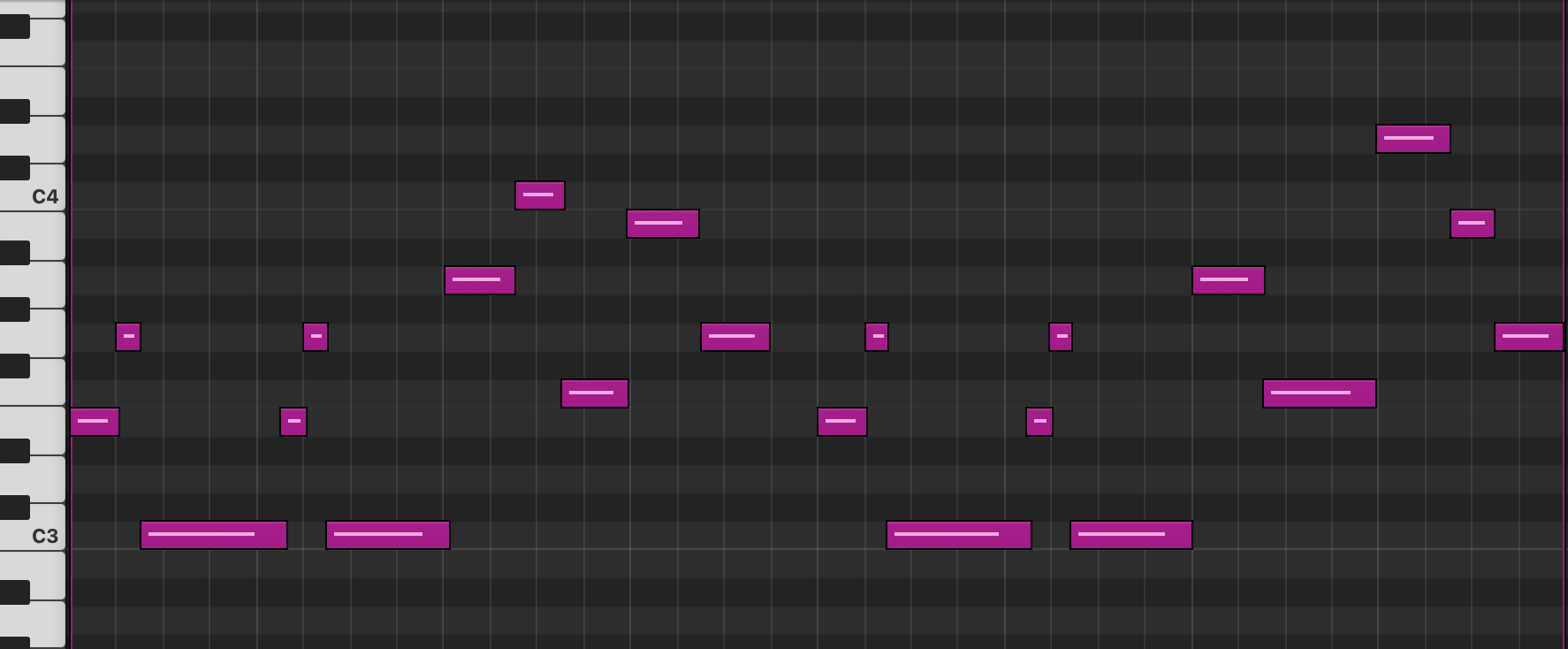
Human–AI Co-Creation in Melody Writing: A MIDI-Native Pilot on Flow, Authorship, and Control
This work is available as a preprint and is currently being prepared for submission to ISMIR. You can read the full paper here.
Preprint on MediArXiv:
https://osf.io/preprints/mediarxiv/zwtgp_v1
Mirror: pdf
Audio output: https://on.soundcloud.com/p55tuggt7Q8mAhD70x
ABSTRACT
Symbolic co-creation tools promise new forms of authorship, yet controlled evidence comparing human-only, AI-only, and iterative human–AI workflows remains scarce. This paper presents a MIDI-native co-writing system and evaluation protocol, illustrates how creative experience can shift across these workflows with a small within-subjects pilot study, and investigates how musicians experience creative flow, authorship, and stylistic control across the three authorship scenarios. The co-writing system integrates an anticipatory Transformer continuation model into a bar-aligned melodic pipeline with standardized V0–V3 exports suitable for reproducible analysis. Using a fixed four-bar seed, three trained musicians completed human-only, AI-only, and human–AI workflows in a within-subjects design and rated each condition individually on creative flow, perceived authorship, and stylistic variation; a final comparative survey captured preferences and qualitative reflections. In this pilot, human-only composition produced the strongest sense of authorship and stylistic control, AI-only continuation generated the greatest novelty but reduced control and disrupted flow, and human–AI co-creation restored momentum, supported expressive intent, and combined human direction with model-driven variation. These preliminary findings suggest that workflow structure can shape creative experience and that reproducible symbolic pipelines enable systematic evaluation of co-creative music tools, providing both a technical foundation and an empirical basis for future work on agency-preserving systems for musical collaboration.
These essays and technical studies explore the intersection of music, AI, and creative systems. Each offers a distinct lens: experiments in symbolic generation, critical writing on ethics and authorship, and hands-on evaluations of AI-powered tools. Together, they form a growing research practice grounded in performance, production, and system design.
Academic Writing

Evaluating Parametric and Non-Parametric AI Models for Music Generation: A Hands-On Comparative Study
A comparative analysis of text-to-MIDI and text-to-audio generation systems, using platforms such as AIVA, Stable Audio, and Suno. The study evaluates how model type and degree of user control influence musical coherence, adaptability, and creative utility, offering practical insights for composers and researchers exploring generative music workflows.
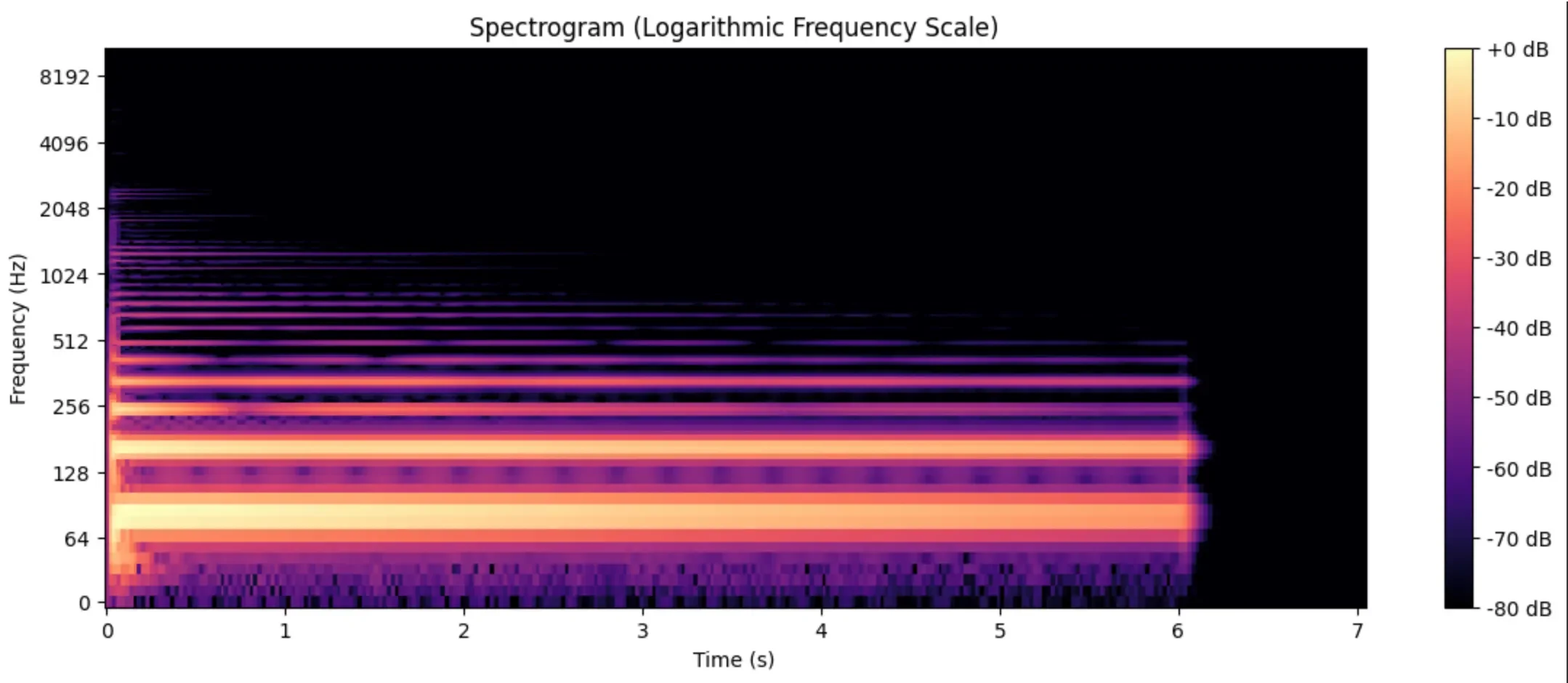
Visualization-Based Audio Analysis Using Waveforms, Spectrograms, and Amplitude Envelopes
A technical investigation into how waveform, spectrogram, and amplitude envelope visualizations support music signal interpretation and classification. Using Python-based analysis in Jupyter Notebooks with librosa, the study connects signal processing techniques to human interpretability in both music information retrieval and AI-assisted audio workflows.
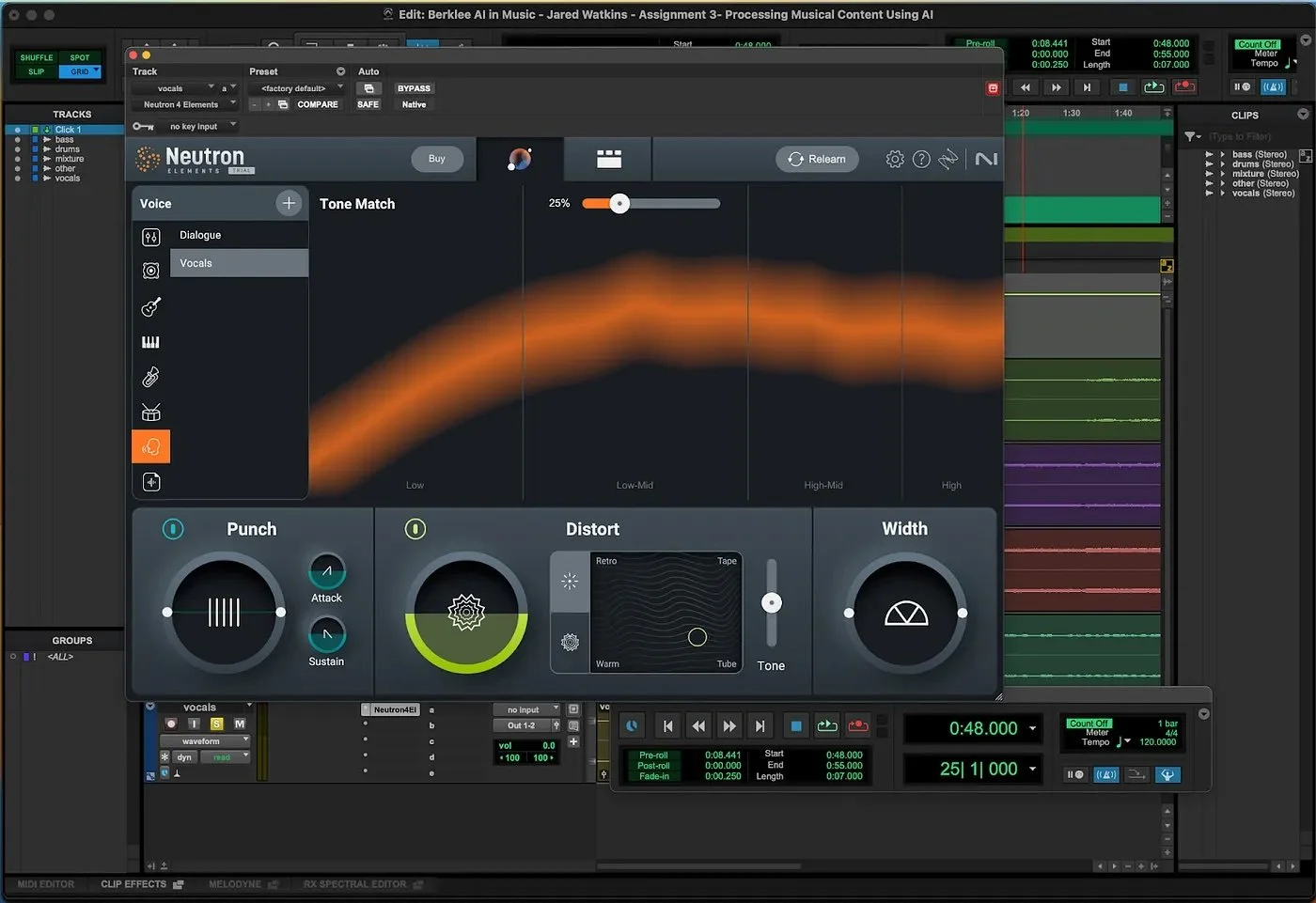
Human-in-the-Loop AI in Mixing and Mastering: Evaluating Creative Control in Audio Processing Tools
An applied study investigating how AI-powered mixing and mastering tools impact creative control in audio production. Through comparative experiments with Neutron 4 and Moises, the article contrasts suggestive versus automatic AI workflows and evaluates their influence on user agency, sonic clarity, and stylistic adaptability. Findings offer practical and theoretical insights for designing AI systems that empower human producers in the studio.
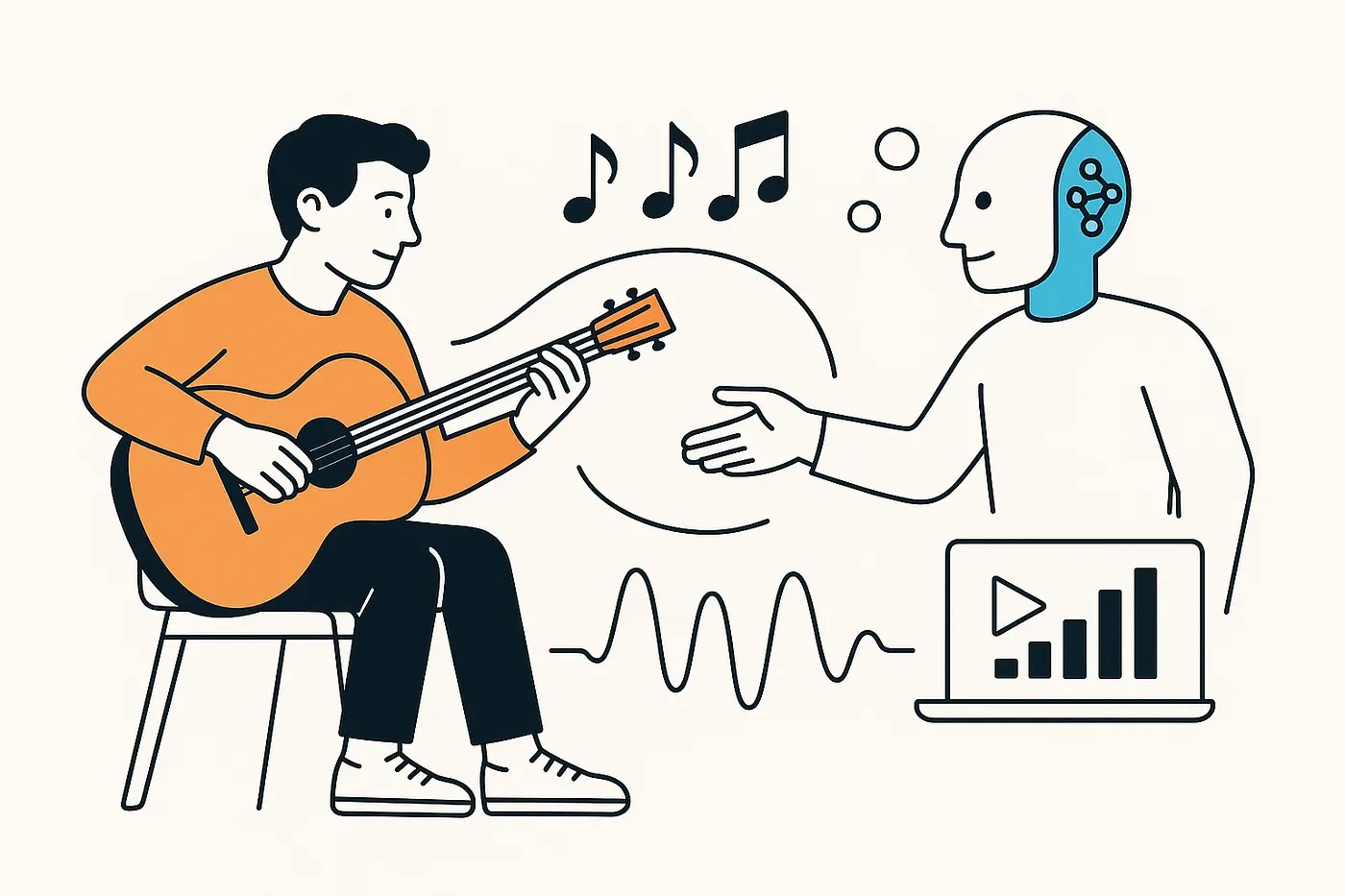
Coexistence or Control: Ethical Reflections on AI in Music Creation
An ethics-focused exploration of AI’s role in music, examining questions of authorship, transparency, and creative agency. Drawing from academic literature and industry perspectives, the essay advocates for human-centered AI design practices that promote openness, informed consent, and equitable collaboration between human and machine.